
"coffee cultivation origins"
10000 article(s) found

The origin and planting conditions of coffee trees basic knowledge of coffee
The origin of the coffee tree is Ethiopia in Africa. In botany, coffee trees belong to the evergreen trees of the subgenus Rubiaceae, and coffee beans, commonly known as coffee beans, are the seeds of the fruit of coffee trees, just because they are shaped like beans, so they are called coffee beans. Climate is the decisive factor for coffee cultivation. Coffee trees are only suitable for growing in the tropics or subtropics, so latitude 25 is south and north.

St. Helena Coffee | Napoleon Coffee | the best coffee in the world
Professional coffee knowledge exchange more coffee bean information please follow the coffee workshop (Wechat official account cafe_style) the best coffee in the world-St. Helena Coffee can be traced back to 1733, brought into seed cultivation by the British East India Company, was exiled to the island after Napoleon's defeat, and praised St. Helena Coffee, even on her deathbed, she wanted to taste it again, promoting St. Helena Coffee.

Columbia with a long aftertaste, the cultivation of exquisite boutique coffee beans, geographical location, climate and altitude
No matter in terms of yield or texture, Colombian coffee is first produced by Medellin, which is characterized by full granules, rich nutrition, moderate acidity, good balance, rich aroma and soft taste. In addition to Medellin, the provincial capitals of two neighboring provinces in the south, Armenia and Manizales, are also famous coffee producers.
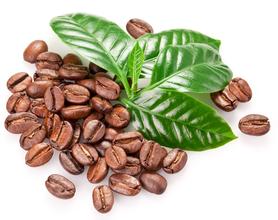
Boutique coffee beans: coffee genealogy (variety knowledge popularization post) basic knowledge of coffee introduction
From Ethiopia to East Africa, coffee varieties have experienced about 1300 years of development and evolution. Experienced Yemen, India, Java, the Netherlands, Paris, Bourbon, Martinique Island, Haiti, Mexico, Brazil and other Central and South American countries. Coffee is an evergreen shrub of the genus Rubiaceae of Gentianaceae. The general classification of coffee is: Arabica iron.

Guatemala Antigua Guatemala Coffee Bean Flavors
Antigua is located in a valley in the volcanic cliffside region of Guatemala. Farmers have worked hard to improve cultivation methods, separating defective beans by hand, and are known for their low overall rate of defective beans. It is said that the shade cultivation method used in coffee cultivation (planting tall crops such as banana trees around coffee trees to create artificial shade) originated in Guatemala

A brief introduction to the Origin, Development, History and Culture of Ugandan Fine Coffee beans with unique charm
Later, when the ship replaced the sailboat, due to the shortened delivery time, people drank relatively fresh coffee beans. But people who are used to drinking Chen beans are not used to the fresh taste, so they desperately pursue old Java coffee, so that the Indonesian government and some businessmen deliberately store fresh beans in warehouses for one or two years and then sell them to consumers. In fact, compared with fresh beans, aged beans
A brief introduction to the cultivation of high-quality boutique coffee beans in Santa Rita Manor, geographical location, climate and altitude
Growing coffee also requires daylight and proper shade, which is most suitable for planting on fertile soil or volcanic ash soil. Therefore, the origin of coffee is widely distributed in South America, Central America, the West Indies, Asia, Africa, Arabia, the South Pacific and Oceania. Such as Ethiopia and Tanzania in Africa, Brazil, Colombia, Jamaica, Guatemala and Mexico in Central and South America.
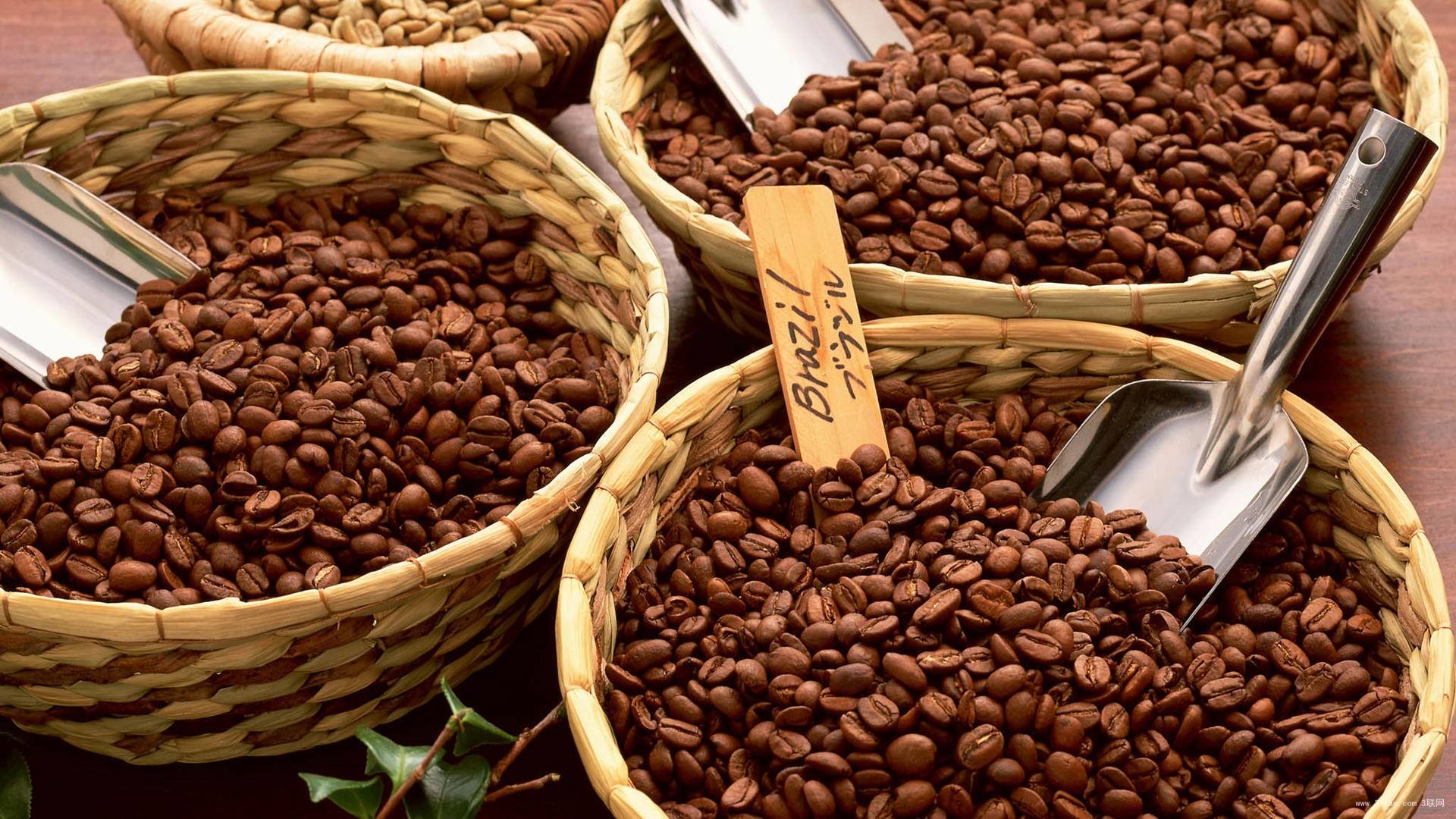
The origin of Kenyan coffee beans, an introduction to Kenyan coffee
Follow the caf é (Wechat official account vdailycom) found that the beautiful cafe opened its own shop Kenya Coffee from Kenya Coffee-introduced Kenyan coffee to the north of Kenya, the origin of Arabica coffee trees in Ethiopia, but did not engage in coffee cultivation until the beginning of the 20th century. Missionaries introduced Arabica trees from Yemen in the 19th century, but did not plant a large number of them.

Favorable conditions for coffee cultivation in Colombia Coffee cultivation in Colombia has a unique advantage
Professional coffee knowledge exchange more coffee bean information please follow the coffee workshop (Wechat official account cafe_style) front street-Columbia planting conditions South America is already the largest coffee-producing continent, thanks to the high altitude surrounded by the Andean foothills, where the climate is mild and humid, good rainfall makes it very suitable for coffee growth, making Columbia

The well-cultivated south-central coffee producing area of Dora, Puerto Rico
It's the best in the world. Puerto Rico coffee is generally carefully cultivated, pure, fragrant, granular, among which the best is among the world's famous brands. Doradot is the best, with a strong flavor and a long aftertaste, and its aroma is comparable to that of any coffee variety. Puerto Rico, originally an Indian settlement, was discovered during Columbus's second trip to the American continent. one hundred and ninety five

Three original species of coffee Arabica,Robusta,Liberica
The small seed species of the three original species of coffee are Arabica, the medium grain species are Robusta, and the large grain species are Liberica family and genus: Rubiaceae Coffea small seed also known as Arabian species, medium seed species also known as Robsta species, and large seed species also known as Liberika species, there are mainly two common species: Arabica and Robusta. Coffee is rich in protein, fat, sucrose and lake.

Indonesia Sumatra Lindong Mantenin Import G1 Fine Coffee Bean Cultivation Location Climate
Net content: 227g Packaging: Bulk Palate: Sweet Coffee Bean Ripe: Sugar Ripe Coffee Bean: Sugar Free Origin: Indonesia Coffee Type: Mantenin Coffee Roast: Medium Roast Country: Indonesia Grade: G13 Second Hand

The Historical and Cultural Origin of the planting method of Coffee Tree
Coffee Tree-planting History there are many legends about the discovery of coffee. There is a legend that in the 13th century, there was a prince in Ethiopia who found that his camel loved to eat small oars on a bush, and he was so excited and energetic after eating it. So he also picked some small berries to taste, and finally discovered this refreshing coffee drink. Another legend is that

How many legends are there about the origin of coffee?
Apart from the two legends that people like to talk about, it is impossible to tell when coffee will become a drink in people's lives. But according to ancient Arabic texts, in the 11th century, Muslim precepts forbade believers to drink, and it was popular in the Arab region to boil sun-dried coffee beans into soup and use them as stomach medicine. The believers found that this coffee juice had a refreshing effect.

A brief introduction to the Origin, Development, History and Culture of Fine Coffee beans in Huaguoshan, Yunnan Province
Berries broadly elliptic, red, 12-16 mm long, 10-12 mm in diameter, exocarp dura, mesocarp fleshy, sweet at maturity; seeds raised abaxially, ventral flat, longitudinally grooved, 8-10 mm long and 5-7 mm in diam. Direct branches are used for cutting materials during the flowering period from March to April, but not a branch, because the new plants grown after cutting with one branch can only grow creeping, not straight.
Basic knowledge about coffee
What is coffee? Coffee is the fruit of a Rubiaceae plant grown at altitudes of about 6,000 feet and distributed along narrow subtropical axes around the world; the coffee tree is green all year round and can grow up to 20 feet tall, usually controlled to 8 to 10 feet tall for easy harvesting.

Where do coffee beans usually come from?
[guide] the coffee we drink comes from the roasting and grinding of coffee beans, and all this is provided by magical coffee bars. The origin of this economic crop is in Yisuobi in Africa. It has been cultivated for more than 2000 years. At present, the main coffee producing areas in the world are Latin America, Africa and Africa. According to statistics, coffee is cultivated in 76 countries in the world, mainly from coffee.

Basic knowledge of coffee growing
What is coffee? Coffee is the fruit of a Rubiaceae plant grown at altitudes of about 6,000 feet and distributed along narrow subtropical axes around the world; the coffee tree is green all year round and can grow up to 20 feet tall, usually controlled to 8 to 10 feet tall for easy harvesting.

A brief introduction to the cultivation of a wide variety of Brazilian boutique coffee beans, geographical location, climate and altitude
In addition, in 2005, Kaseru's Serrado Coffee Origin quality Certification (name Serrado Certification) was issued taking into account the certificate of origin and the preemptive right of coffee in the designated area of Serrado. Known as Serrado (Serrado Coffee) is a high-quality brand in 2005, due to the certification of origin in the field of Serrado Coffee region designated the first right in this area of production, Coffee

Ethiopia, the coffee bean producing area of Kenya, which is grown on volcanic slopes.
Kenya is bordered to the north by Ethiopia, the origin of Arabica coffee trees, but it was not until the beginning of the 20th century that coffee cultivation began. In the 19th century, missionaries introduced Arabica trees from the leaves, but did not plant them in large quantities. It was not until 1893 that coffee was cultivated on a large scale because of the introduction of Brazil's ancient bourbon seeds. That is to say, Kenyan coffee is of Brazilian origin.